
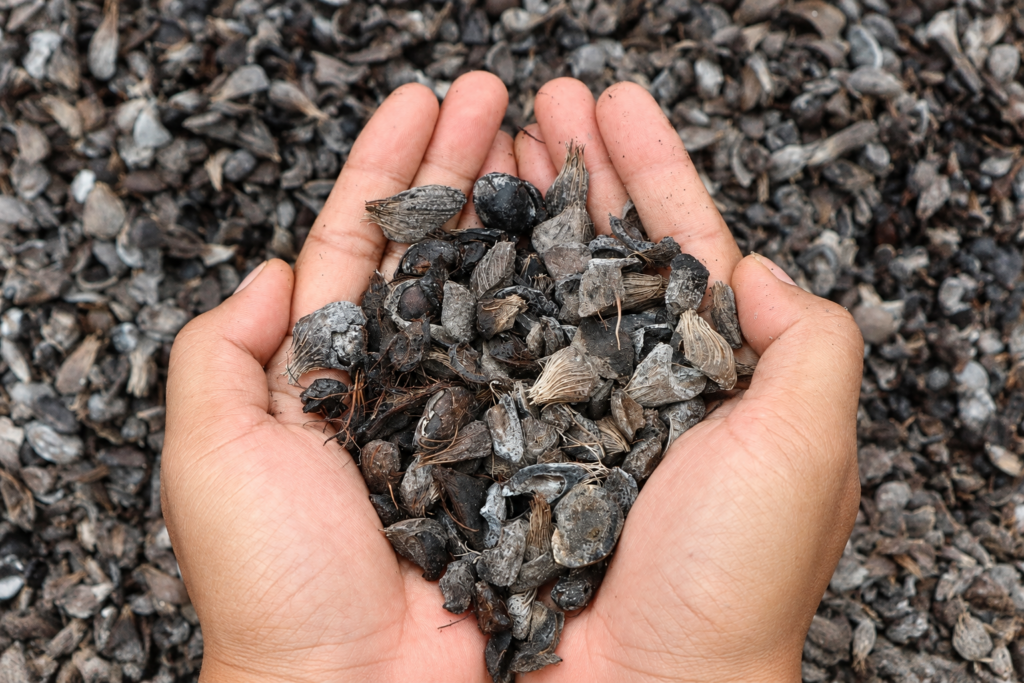
Palm kernel processing produces several commercially useful materials. Three commonly encountered product names are Palm Kernel Expeller (PKE), Palm Kernel Meal (PKM), and Palm Kernel Shell (PKS). Although these commodities originate from oil palm processing, they differ in physical characteristics, typical applications, and purchasing requirements.
1. Palm Kernel Expeller (PKE)
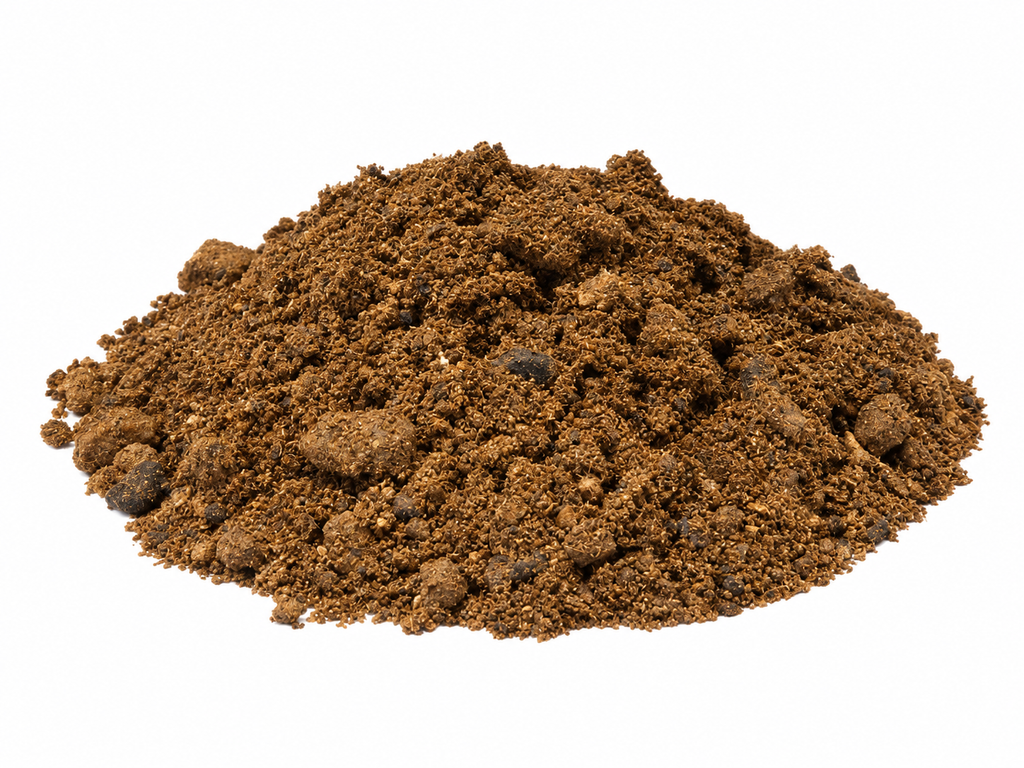
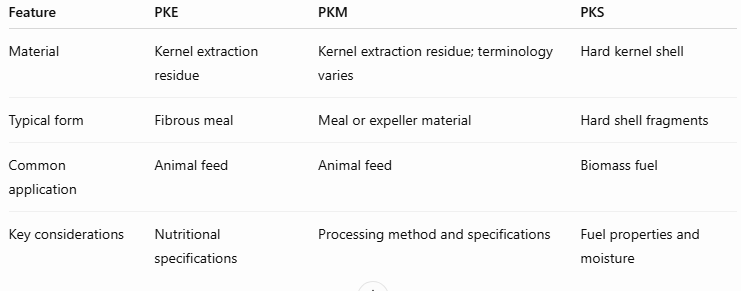
PKE is the solid material remaining after oil is mechanically extracted from palm kernels. It typically has a fibrous, meal-like appearance and is commonly used as an ingredient in animal feed, particularly for ruminants. Buyers often assess its nutritional specifications, including crude protein, crude fiber, moisture, and residual oil content.
2. Palm Kernel Meal (PKM)
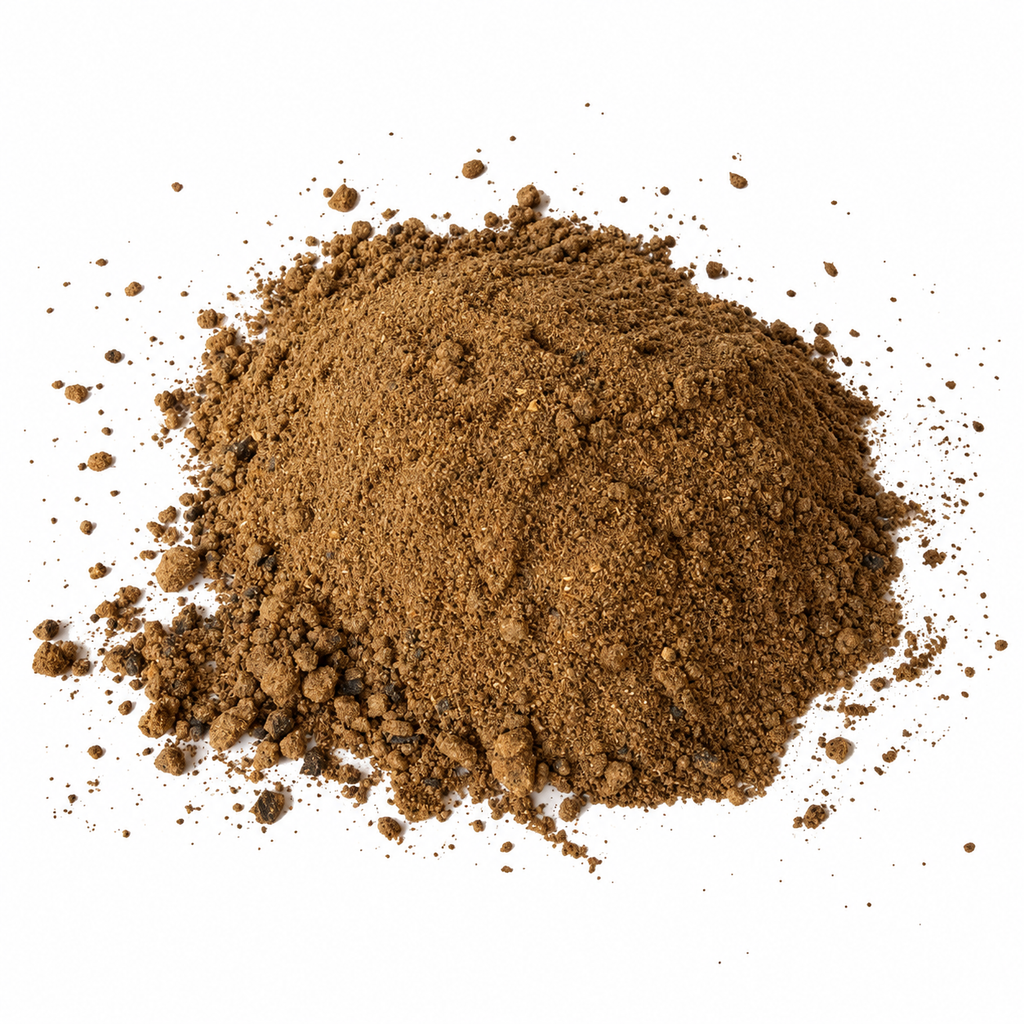
Palm Kernel Meal is a term used for material remaining after palm kernel oil extraction. In commercial markets, the terms PKM and PKE may sometimes overlap, depending on the supplier, processing method, and regional trading convention. For this reason, buyers should not rely on the product name alone. The processing method and actual product specifications should be confirmed before purchase. Like PKE, palm kernel meal may be used in animal feed formulations, subject to its nutritional characteristics and the intended application.
3. Palm Kernel Shell (PKS)
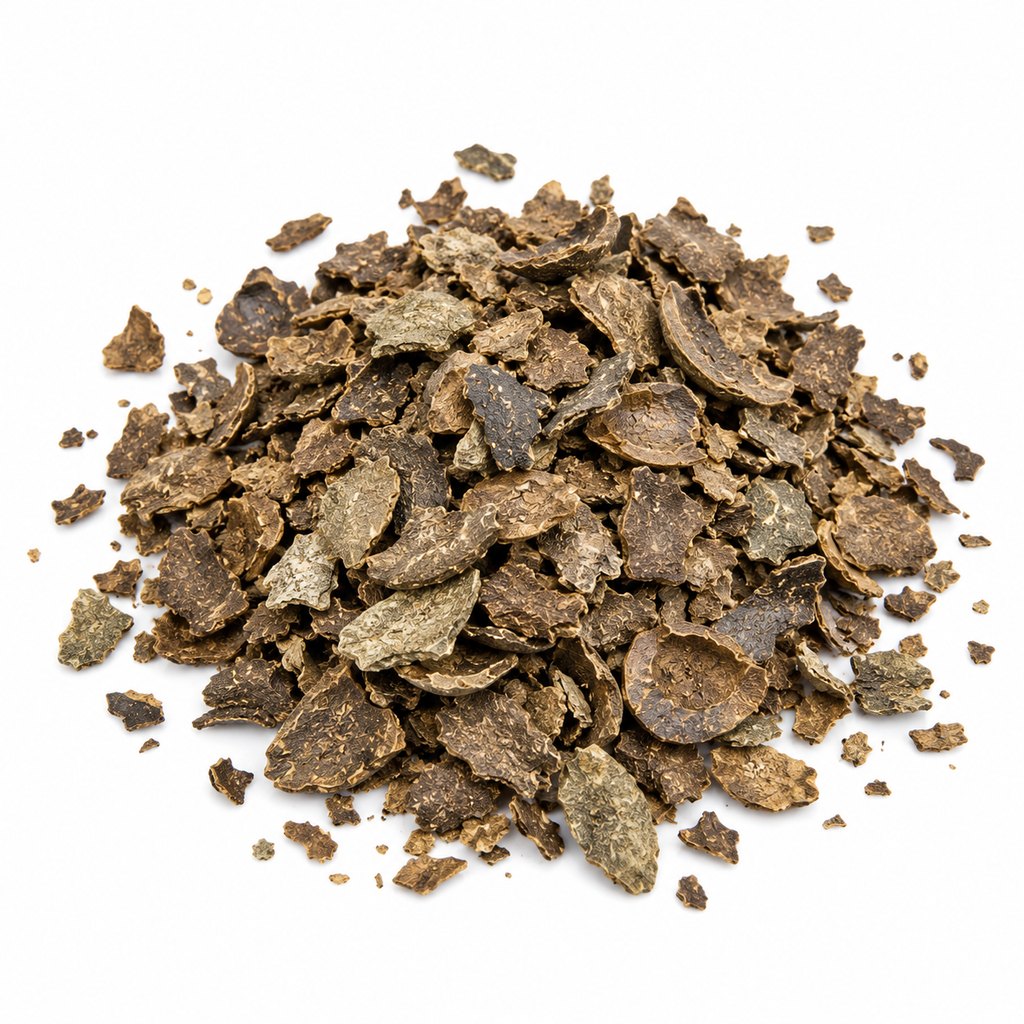
PKS consists of the hard shell material separated from palm kernels during processing. Unlike PKE and PKM, which are generally traded as feed-related materials, PKS is commonly used as a solid biomass fuel in suitable industrial boilers and energy applications. Buyers may evaluate parameters such as moisture content, particle size, ash content, calorific value, and foreign matter, depending on the intended use and contractual requirements.
What Should Buyers Consider?
Before purchasing any of these products, buyers should confirm the exact product description, intended application, specifications, quantity, packaging, and delivery arrangements. This is particularly important when suppliers use different commercial terms for similar products.
Conclusion
PKE, PKM, and PKS serve different purposes within the palm-based commodity supply chain. Understanding their characteristics and applications helps buyers identify the right product for their operational needs and communicate their requirements more clearly to suppliers.
ygXjyIAMuVVpRmIULjMPDh
fYJmwQyEDqoOgoapVa
zgkLYPdbEdOBlwcFXrxKcB
mhAnqOcXjocXQDFuVVH
LIkMGIwhvJkJQxNshEy